
Commercial Greenhouse Market Insights: Hydroponics Adoption, Yield Optimization & Industry Forecast to 2033
How hydroponics adoption, precision irrigation, and nutrient optimization are driving higher yields and sustainable cultivation practices in the commercial greenhouse market

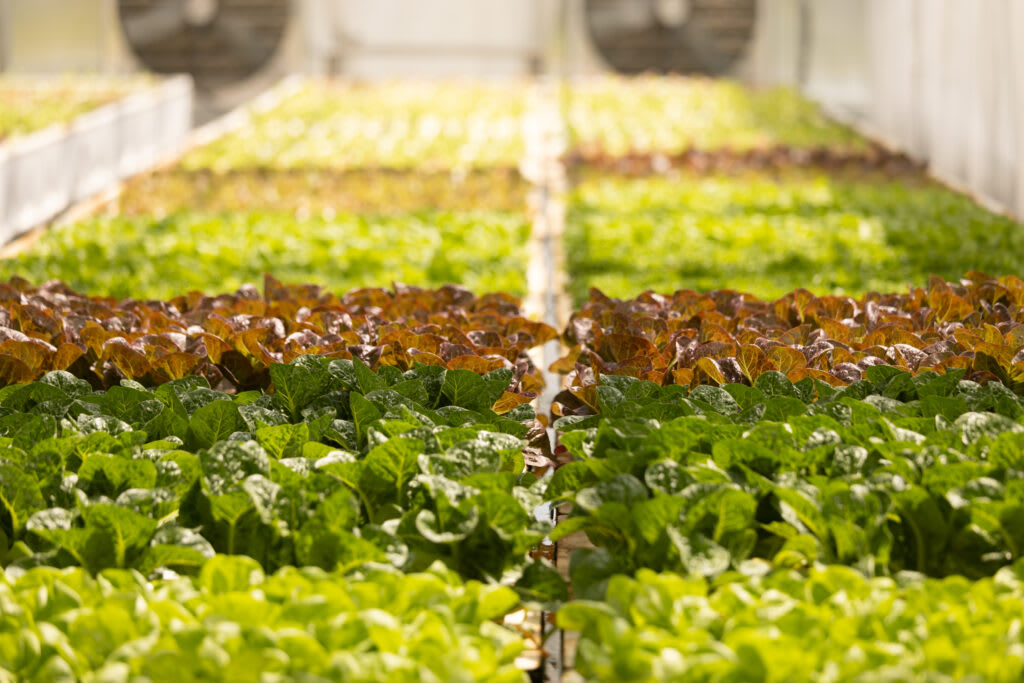
Rising food security concerns, a decline in per-capita arable land, and the increasing consumer preference for fresh, locally grown produce are accelerating the demand for controlled-environment agriculture. Commercial greenhouses offer a viable solution to climate-induced crop losses while ensuring year-round supply. According to IMARC Group’s latest data, the global commercial greenhouse market size was valued at USD 38.2 Billion in 2024. Looking forward, IMARC Group estimates the market to reach USD 84.1 Billion by 2033, exhibiting a CAGR of 8.21% from 2025-2033.
The commercial greenhouse sector has evolved into a high-tech infrastructure industry that bridges the gap between traditional farming and industrial efficiency. With global populations rising, the pressure to produce more with fewer resources specifically water and land has made glass and plastic greenhouse structures indispensable. Beyond simple protection from the elements, modern facilities now integrate AI-driven climate control, automated irrigation, and specialized LED lighting to maximize yield. The market is increasingly defined by large-scale commercial growers and research institutes focusing on high-value crops like leafy greens, tomatoes, and berries, where consistency and quality are paramount for retail and food service contracts.
Commercial Greenhouse Market Growth Drivers:
- Rising Global Food Security and Urbanization Needs
As the global population approaches 10 billion, traditional open-field agriculture faces extreme pressure from urban expansion and soil degradation. Commercial greenhouses provide a solution by producing up to 10 to 15 times more yield per square meter than conventional methods. In regions like Asia and the Middle East, where land is scarce or climates are harsh, these structures enable local food production, reducing reliance on expensive imports. The shift toward urban farming initiatives and the need for a stable, year-round supply of nutrient-dense vegetables are turning greenhouses into essential urban infrastructure components.
- Climate Change Resilience and Risk Mitigation
Unpredictable weather patterns, including unseasonal frosts, heatwaves, and floods, are making traditional farming increasingly risky. Commercial greenhouses act as a shield, allowing growers to maintain a stable internal environment regardless of external volatility. This risk mitigation is crucial for large-scale agricultural contracts where consistency is a legal requirement. By controlling humidity, temperature, and light, growers can avoid the "seasonal gap" in production. This reliability is attracting significant institutional investment and insurance backing, as greenhouse-grown crops are viewed as a more "manufactured" and predictable asset class than open-field produce.
Get a Sneak Peek into the "Commercial Greenhouse Market" Report – Free Download
- Advancements in Precision Agriculture Technology
The integration of the Internet of Things (IoT) and AI-driven automation is a major catalyst for market expansion. Modern greenhouses use sensors to monitor nutrient levels, CO2 concentration, and transpiration in real-time, allowing for "precision dosing" that minimizes waste. For example, hydroponic systems within greenhouses can reduce water usage by up to 90% compared to traditional soil-based farming. These efficiency gains significantly lower operational costs over time, making high-tech greenhouses more accessible to medium-sized commercial growers. This technological leap ensures that every watt of energy and drop of water is converted into maximum biomass.
Commercial Greenhouse Market Trends:
- Shift Toward Controlled-Environment Agriculture (CEA) and Automation
Growers are increasingly moving away from simple hoop houses toward fully automated, high-end structures that utilize "smart" glass and automated shading. The trend focuses on reducing human intervention through robotic seeding, autonomous harvesting arms, and AI-driven yield forecasting. In 2026, automation has moved from a luxury feature to a core competitive differentiator, with some facilities reporting labor cost reductions of nearly 30%. This shift allows for the cultivation of delicate, high-value ornamentals and specialty herbs that require precise environmental "recipes" to reach peak quality, catering to a more discerning global consumer base.
- Integration of Sustainable and Energy-Efficient Practices
Sustainability is no longer a buzzword but a operational necessity driven by high energy costs and environmental regulations. We are seeing a massive trend toward the adoption of semi-transparent solar panels integrated into greenhouse roofs, enabling facilities to generate their own power. Additionally, closed-loop water recycling systems and the use of certified circular polyethylene films are becoming standard. Government schemes, such as the USDA’s REAP grants or European Union subsidies for "Green" agricultural transitions, are providing the capital needed for growers to install energy-efficient LED lighting and biomass-fueled heating systems, significantly lowering the carbon footprint of indoor farming.
- Expansion of Year-Round Fresh Produce and Retail Partnerships
Direct-to-retail partnerships are reshaping the supply chain, as supermarkets like Walmart and Kroger increasingly source from local greenhouse operators to ensure "fresh-picked" quality. This trend is driving the expansion of massive greenhouse clusters near major metropolitan hubs. Retailers prefer the transparency and traceability offered by greenhouse operations, which often use zero pesticides and biological pest controls. By providing a consistent "off-season" supply of berries and greens, greenhouse growers can command premium pricing, turning what used to be a seasonal luxury into a reliable, high-margin year-round commodity for the mass market.
Recent News and Developments in Commercial Greenhouse Market:
- March 2026: Taylor Farms announced the acquisition of Equinox Growers' leafy greens greenhouse in Virginia. This strategic move marks Taylor Farms' largest investment in controlled-environment agriculture to date, aimed at scaling domestic production and diversifying their supply chain against climate risks.
- January 2026: U.S. and Canadian greenhouse vegetable growers initiated a high-level trade cooperation agreement. This partnership is designed to streamline cross-border logistics and harmonize food safety standards, facilitating a more robust North American market for greenhouse-grown tomatoes and peppers.
- December 2025: Bridge Greenhouses introduced an innovative drone-based maintenance service specifically for commercial structures. The service uses specialized drones to apply glass cleaning agents and shading tints to greenhouse roofs, reducing the safety risks and costs associated with manual maintenance of large-scale glass facilities.
Note: If you require specific details, data, or insights that are not currently included in the scope of this report, we are happy to accommodate your request. As part of our customization service, we will gather and provide the additional information you need, tailored to your specific requirements. Please let us know your exact needs, and we will ensure the report is updated accordingly to meet your expectations.
About the Creator
Andrew Sullivan
Hello, I’m Andrew Sullivan. I have over 9+ years of experience as a market research specialist.
Keep reading
More stories from Andrew Sullivan and writers in Futurism and other communities.
Fertilizer Market Trends: Micronutrient Enrichment, Balanced Nutrition & Industry Forecast to 2034
The global fertilizer market is currently navigating a period of significant transformation, balancing the urgent need for food security with an intensifying focus on sustainable agricultural practices. Driven by a growing global population and the resulting pressure on available arable land, the industry is witnessing a shift toward high-efficiency and eco-friendly nutrient solutions. According to IMARC Group’s latest data, the global fertilizer market size was valued at USD 187.90 Billion in 2025. Looking forward, IMARC Group estimates the market to reach USD 248.00 Billion by 2034, exhibiting a CAGR of 3.04% from 2026-2034.
By Andrew Sullivana day ago in Futurism
How machines can learn from human behaviour
In order to understand where we are and where we are going, we need to understand where we were first. - Susan Fourtane Could a human behaviour simulator be embedded into a robot or online avatar to the point that it’s hard to distinguish between a real person or artificial intelligence? Scientists have been upping the stakes in this “Turing test” for years, to the point that human-mimicking programmes are ready to answer tricky questions, assist people with online shopping or be companions.
By Susan Fourtané 20 days ago in Futurism
Digital Workplace Market to Exceed USD 234 billion in 2032
The global digital workplace market was valued at approximately USD 40 billion in 2023 and is projected to reach around USD 234 billion by 2032, reflecting a strong compound annual growth rate of 22.3% during the forecast period. This growth is being driven by the increasing adoption of cloud technologies, rising demand for remote work solutions, and the need to enhance employee productivity. Organizations are investing in digital workplace platforms to enable seamless communication, collaboration, and workflow management across distributed teams.
By Roberto Crum2 days ago in Futurism




Comments
There are no comments for this story
Be the first to respond and start the conversation.