
Nostalgia of glass-bottled milk in the 90's - Raw Milk vs Pasturised Milk In The UK
It was totally different era that we were living in

Raw milk commonly known as unpasteurised milk was traditionally consumed in the UK for centuries. But most recently, I've questioned the authenticity of pasturised milk. But before I get into the deeper details of pasturised milk, lets talk raw milk. Yes raw milk from the farm, which seems like an untold dystopian novel by now.
Raw Milk in the 90's
Raw milk was the only type of milk you could get in the UK. Remember when the farmers used to drop off those glass bottles of fresh milk by the doorstep, I was probably about 3, but I still remember how back in the day times were different. Almost like a different era. Yes, I'm a millenial and back in the 90's things were pretty different when it came to buyng and selling organic milk.
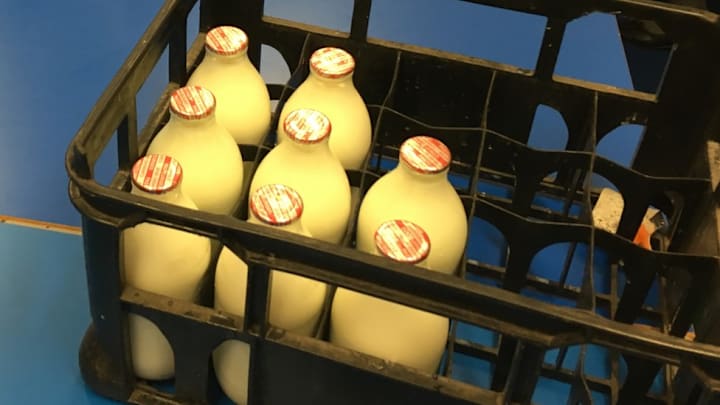
I remember how these glass bottled milk was handed out to us in primary school, as they were nestled in black grates. The teacher brought them in as all the children (including me) who absolutely disliked milk altogether - not because of its organic nature but because I was being a typical kid.
But how has this changed in today's day and age, I will explain. Pasteurisation truly changed the way we not only consume milk but how it's put into shops and advertised, it's everywhere and you can't really run away from it.
The difference is Pasteurisation...
Scientists like Louis Pasteur developed pasteurisation in the 1860s. And soon enough the great United Kingdom began adopting these practices of pasteurisation in the late 19th and early 20th century, especially in the big cities. But what was the need you ask? Well, the core problem in those days was the lack of hygiene. Then came the idea of possible infections due to the milk being raw. Common illnesses linked to raw milk included tuberculosis (especially from infected cattle), brucellosis, Salmonella infection, E. coli infection. These were particularly dangerous for children, as if severe they could result in death.
The change brought about was massive to modern medicine. It was just the beginning of the decline of raw milk.
The method of pasteurisation was developed by Louis Pasteur, which involved heating the milk to kill harmful bacteria. It also made the transportation of milk and storage of it safer as it became more widely accepted. But that's not all, the rates of milk-borne disease dropped quickly, and the British government began promoting it as the 'standard' milk, but that does explain 'kind of' why they would restrict raw milk, am I right or wrong?
It even improved farming, but to what extent...
Pasteurisation improved farming by changing the focus from small and local milk production to a more controlled, large scale and perfectly hygienic system. That's why some people say the government and (politics in general) like power and control. But why? Because that's how you can gain world domination according to these power driven individuals, sick if you ask me!
Anyway, back to the topic, farmers who sold milk quickly and locally often found it spoilied easily, which grew the hesistation among them at that time. However, they seized the opportunity to make it into a large-scale kind of thing because they also needed to survive and selling just locally wasn't enough - just think about it for a bit.
They put it out there that this so called 'pasteurisation' wasn't to eliminate farmers, but to prevent avoidable illness outbreaks.
So the UK acted and it was not until 1985 that the UK put strict restrictions instead of a full ban on raw milk.

But does that mean raw organic milk was bad for you? No, not at all. It's just the safety of it that was a big concern to society.
Public health was something people were intrigued by and the more information they got from the 'system', and the more they fed that knowledge to their kids. It was like ants carrying pockets of food to their families. The Victorian era was fascinating because people actually believed in assumptions, astrology and a nightmare of made up scenarios on how disease spread. But it's not until science came along and changed perspectives, minds and ideologies. For example, before the 1800's, people actually believed disease was caused by miasmas (bad air and smells), but this was later squashed by good old Pasteur himself when the 'germ theory' was invented.
But going back to the topic, raw and pasteurised milk, it's safe to say that it takes just one person to make a drastic change to society, like the pharmaceutical industry, but that's just a drop in the ocean. My next article will be about how the pharmaceutical industry absolutely cut off organic produce by promoting chemicalised remedies drapped in gift wrap and we all fell for it.
About the Creator
Amina
I’m a wellness and health editor and journalist, exploring natural ways to care for the body through nutrition, movement, holistic wellness, and the timeless wisdom of Ayurveda.
Keep reading
More stories from writers in History and other communities.




Comments
There are no comments for this story
Be the first to respond and start the conversation.