Damian Brown
Bio
IT consultant with 7+ years’ experience helping organizations optimize technology, implement scalable solutions, and drive digital transformation for measurable business results.
Stories (8)
Filter by community
How to Design Liquidity Models for a Decentralized Exchange (AMM vs Order Book). AI-Generated.
Liquidity is the backbone of any trading system, and in decentralized exchanges (DEXs), it defines not only how trades are executed but also how efficient, secure, and scalable the entire platform is. For IT consultants and blockchain architects, designing a liquidity model is a strategic decision that directly impacts user experience, capital efficiency, and long-term platform viability.
By Damian Brownabout 8 hours ago in Education
How to Choose the Right Blockchain Architecture for Your Business Model. AI-Generated.
Choosing the right blockchain architecture for your business model is not a purely technical decision—it is a strategic one that intersects with governance, economics, regulatory exposure, and long-term scalability. A poorly chosen architecture can introduce unnecessary complexity, limit performance, or undermine trust. Conversely, a well-aligned design can unlock efficiency, transparency, and entirely new business capabilities.
By Damian Browna day ago in Education
How to Audit a Blockchain Strategy Before You Waste Six Figures. AI-Generated.
Blockchain has matured from a speculative buzzword into a serious technological option for enterprises. Yet its adoption remains fraught with costly missteps. Organizations frequently commit six-figure budgets to blockchain initiatives that fail to deliver meaningful value, often due to poor planning, weak use-case validation, or misalignment with business goals.
By Damian Browna day ago in Education
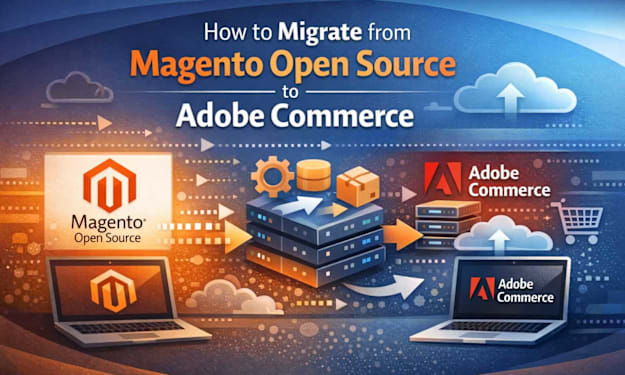
How to Migrate from Magento Open Source to Adobe Commerce. AI-Generated.
Migrating from Magento Open Source to Adobe Commerce is not merely a technical upgrade—it is a strategic transformation. While Magento Open Source offers a solid foundation for building online stores, Adobe Commerce introduces advanced capabilities designed for scalability, personalization, and enterprise-grade performance. A successful migration demands careful planning, technical precision, and a clear understanding of both platforms’ architecture. This article provides a structured, comprehensive guide to migrating from Magento Open Source to Adobe Commerce, covering planning, execution, and optimization.
By Damian Brown6 days ago in Education
How to Assess the Technical Debt in Legacy Applications Before Modernizing. AI-Generated.
Modernizing legacy applications is rarely a purely technical decision—it is a strategic move that can redefine how a business operates, scales, and competes. Yet many modernization efforts fail or stall because teams underestimate one critical factor: technical debt. Before rewriting, refactoring, or migrating anything, you need a clear, structured understanding of what you’re dealing with.
By Damian Brown7 days ago in Education
How to Design a Wallet UX for DeFi: Managing Transactions, Approvals, and Risks. AI-Generated.
Designing a wallet for DeFi is not simply a matter of enabling transactions—it is about shaping how users understand, approve, and control interactions with decentralized systems. Unlike traditional applications, DeFi wallets operate in an environment where every action is irreversible, every approval carries risk, and every interaction may involve a smart contract beyond the user’s direct control.
By Damian Brown11 days ago in Education
How to Choose Between Blockchain Solution Types (Public Chains, Private Chains, or Consortium). AI-Generated.
Choosing a blockchain solution is not about picking the most advanced technology—it is about aligning your system with the right trust model. The three primary categories—public, private, and consortium blockchains—represent fundamentally different approaches to governance, access, and control.
By Damian Brown11 days ago in Education
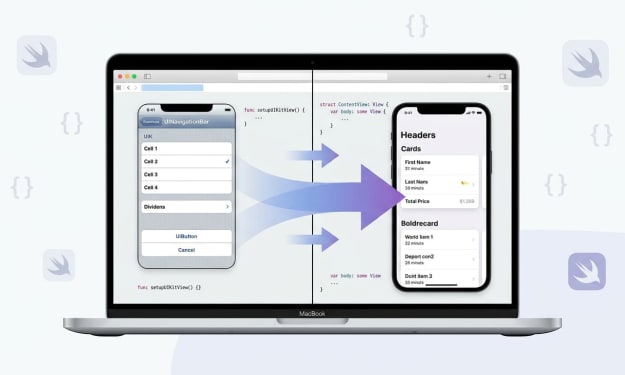
How to Migrate an Existing UIKit App to SwiftUI. AI-Generated.
In the modern mobile landscape, companies face growing pressure to deliver high-quality, maintainable apps. Many organizations initially launch many apps on iOS before Android, due to the platform’s uniform hardware ecosystem, strong monetization potential, and a relatively predictable user base. While UIKit has been the mainstay for iOS development for over a decade, Apple’s SwiftUI offers a modern, declarative alternative that promises easier maintenance, faster iteration, and a more reactive approach to UI development. Migrating an existing UIKit application to SwiftUI requires careful planning, a strong understanding of both frameworks, and a strategy that minimizes disruption to users.
By Damian Brown12 days ago in Education