Sustainability
The Whale Who Sings Alone 🐋
52 HERTZ: THE FREQUENCY OF LONELINESS 🎵 Somewhere in the vast dark waters of the Pacific Ocean there is a whale who has been calling out for a companion for over thirty years and has never received a response, a whale whose vocalizations are produced at a frequency of 52 hertz which is dramatically higher than the frequencies used by any known whale species, blue whales communicate at frequencies between 10 and 39 hertz while fin whales use frequencies around 20 hertz, and this frequency mismatch means that while the 52-hertz whale can hear other whales they cannot hear it, or if they can hear it they do not recognize it as a whale call and do not respond, and this animal has been swimming through the ocean for decades producing calls that travel for hundreds of miles through water that carries every other whale's communications perfectly but that turns this whale's voice into something unrecognizable and unreachable 🌊
By The Curious Writer4 days ago in Earth
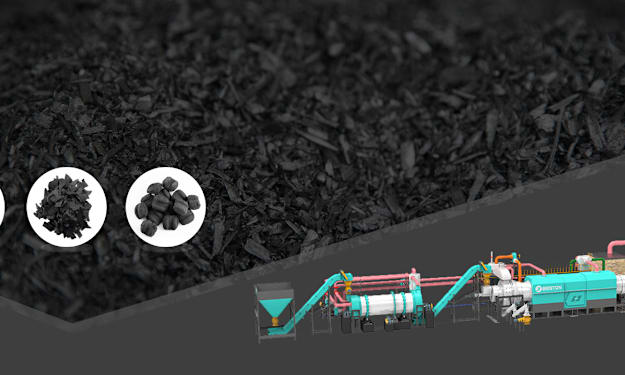
Using Biochar Machines for Organic Waste Recycling on Farms. AI-Generated.
Every day, farms around the world generate tons of organic waste—crop residues, animal manure, rice husks, and fruit peels—that often ends up in landfills or is burned openly. These practices not only waste valuable resources but also release harmful greenhouse gases like methane and carbon dioxide, worsening climate change and polluting air and water. Fortunately, there’s a game-changing solution: biochar machines. These innovative devices transform farm organic waste into biochar, a carbon-rich "black gold" that enriches soil, reduces emissions, and closes the loop on agricultural waste. Let’s explore how biochar machines are reshaping organic waste recycling and paving the way for more sustainable farming.
By Bestonpyrolysis5 days ago in Earth
Electrification of Heat
by Futoshi Tachino What Changed Heating is undergoing a subtle revolution. In 2022, global sales of electric heat pumps jumped by 11% – the second year in a row of double-digit growth amid high fuel prices and new incentives [1]. Europe led the charge with nearly 3 million heat pumps sold in 2022 (an almost 40% increase from the prior year) [1]. For the first time, Americans also bought more heat pumps than gas furnaces: U.S. heat pump purchases topped 4 million units in 2022, narrowly eclipsing the sales of gas-fired furnaces that year [2]. This milestone was reached even before many new U.S. incentives kicked in, marking a quiet shift in how homes are heated across the country [2].
By Futoshi Tachino5 days ago in Earth
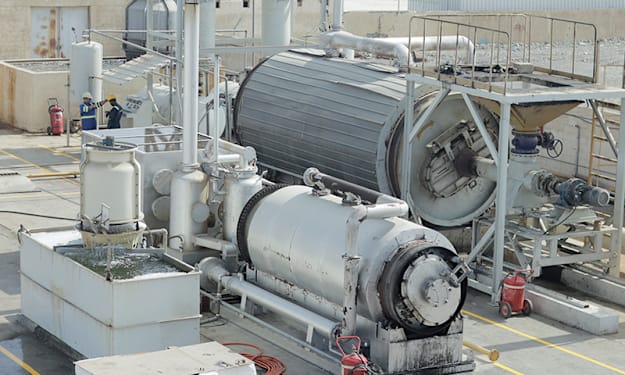
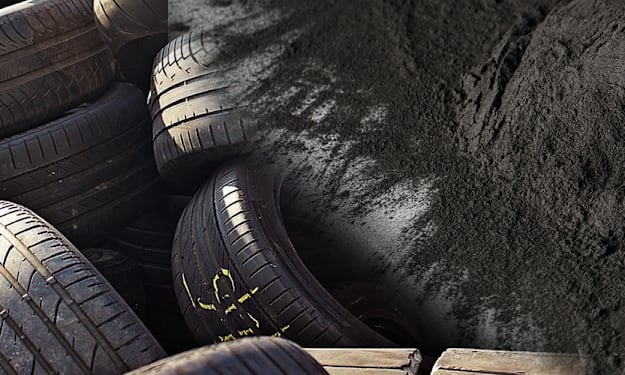
Waste Tire Pyrolysis and Hazardous Waste Classification
Policy Context of Waste Tire Management End-of-life tires (ELTs) represent a persistent challenge within solid waste governance frameworks. Their complex composition—comprising synthetic rubber, carbon black, steel, and various chemical additives—renders conventional disposal methods such as landfilling increasingly untenable. Consequently, thermochemical conversion technologies, particularly those deployed in a pyrolysis plant, have gained traction as an alternative valorization pathway.
By Wayne Shen5 days ago in Earth
The Bittersweet Story of Chocolate – From Sacred Rituals in Mesoamerica to a Global Indulgence
Chocolate feels familiar today wrapped, sweetened, easily available. It’s part of celebrations, comfort, gifting, and everyday indulgence. But its story begins far from modern shelves. Long before it became a dessert, chocolate was a ritual, a currency, a symbol of power, and a deeply valued cultural element.
By The Origin6 days ago in Earth
⭐ East-West Line
Saudi Arabia East- West Petroline The Middle East has long been the center of global energy politics, with its vast oil and gas reserves shaping not only regional dynamics but also the priorities of major world powers. However, in recent years, a critical question has emerged: should the world continue relying on a few strategic maritime chokepoints for energy transportation, or is it time to develop alternative routes?
By Wings of Time 9 days ago in Earth
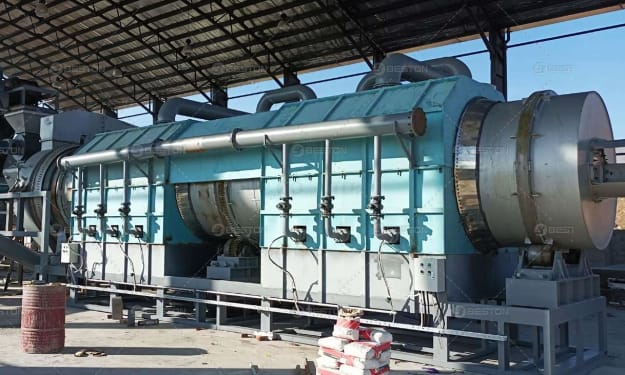
Waste Plastic to Fuel: Paving the Way for a Circular Economy. AI-Generated.
Plastic pollution has become one of the most pressing environmental issues of our time. From oceans to landfills, millions of tons of plastic waste accumulate annually, causing devastating impacts on wildlife, ecosystems, and human health. Yet, in the midst of this challenge lies a remarkable opportunity: transforming waste plastics into fuel. This innovative approach not only reduces environmental pollution but also supports the transition toward a circular economy, where resources are reused and repurposed instead of discarded.
By Bestonpyrolysis9 days ago in Earth